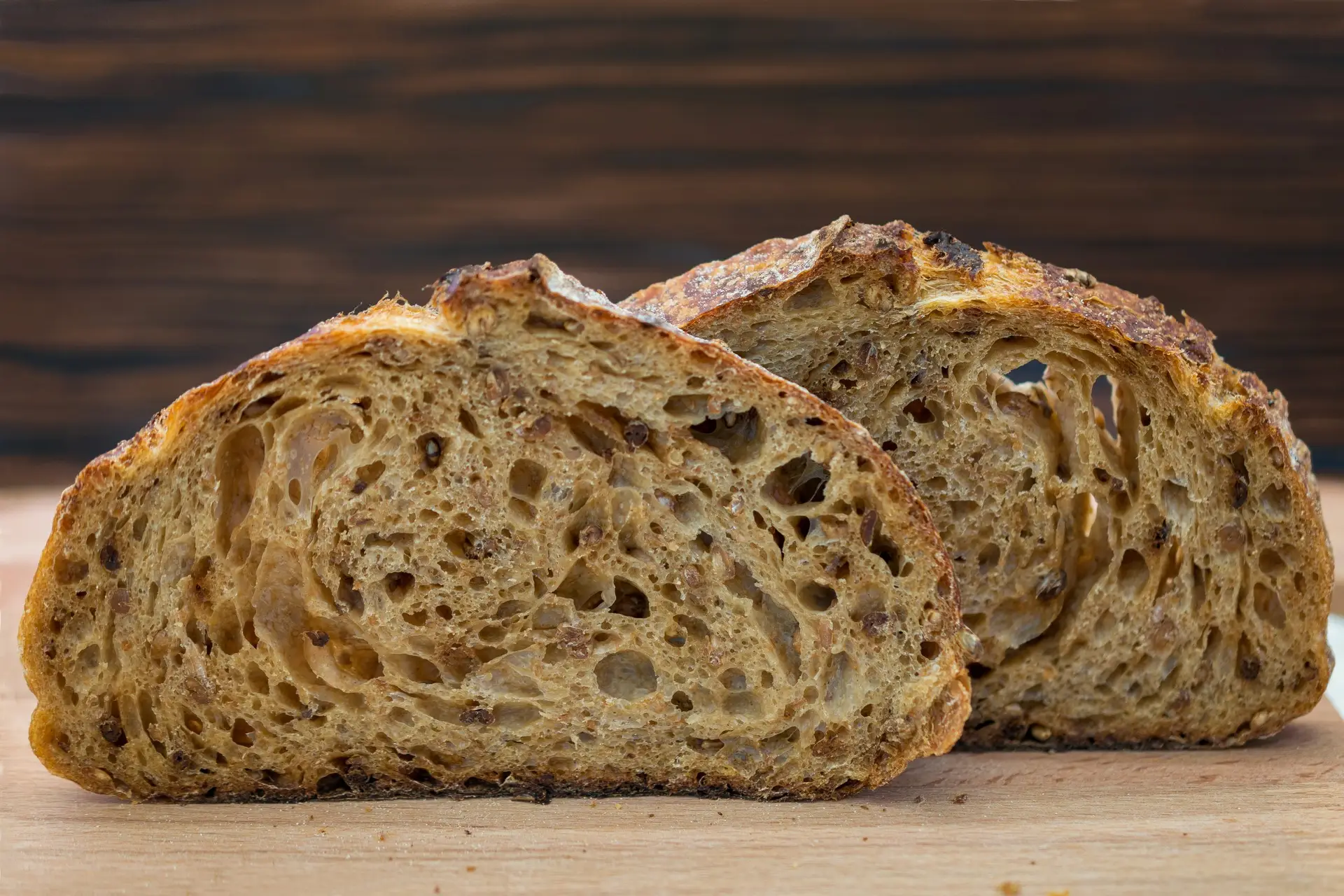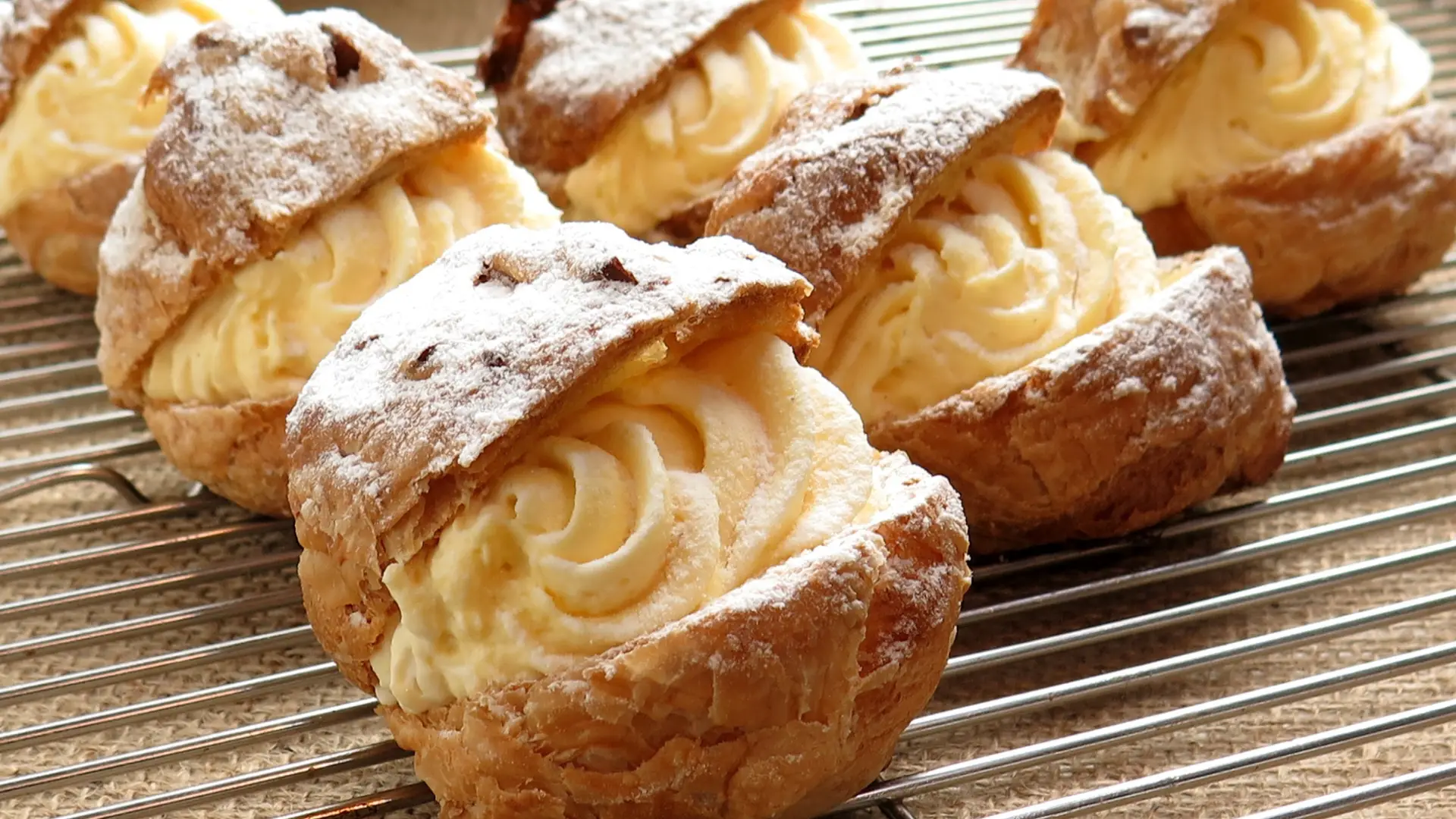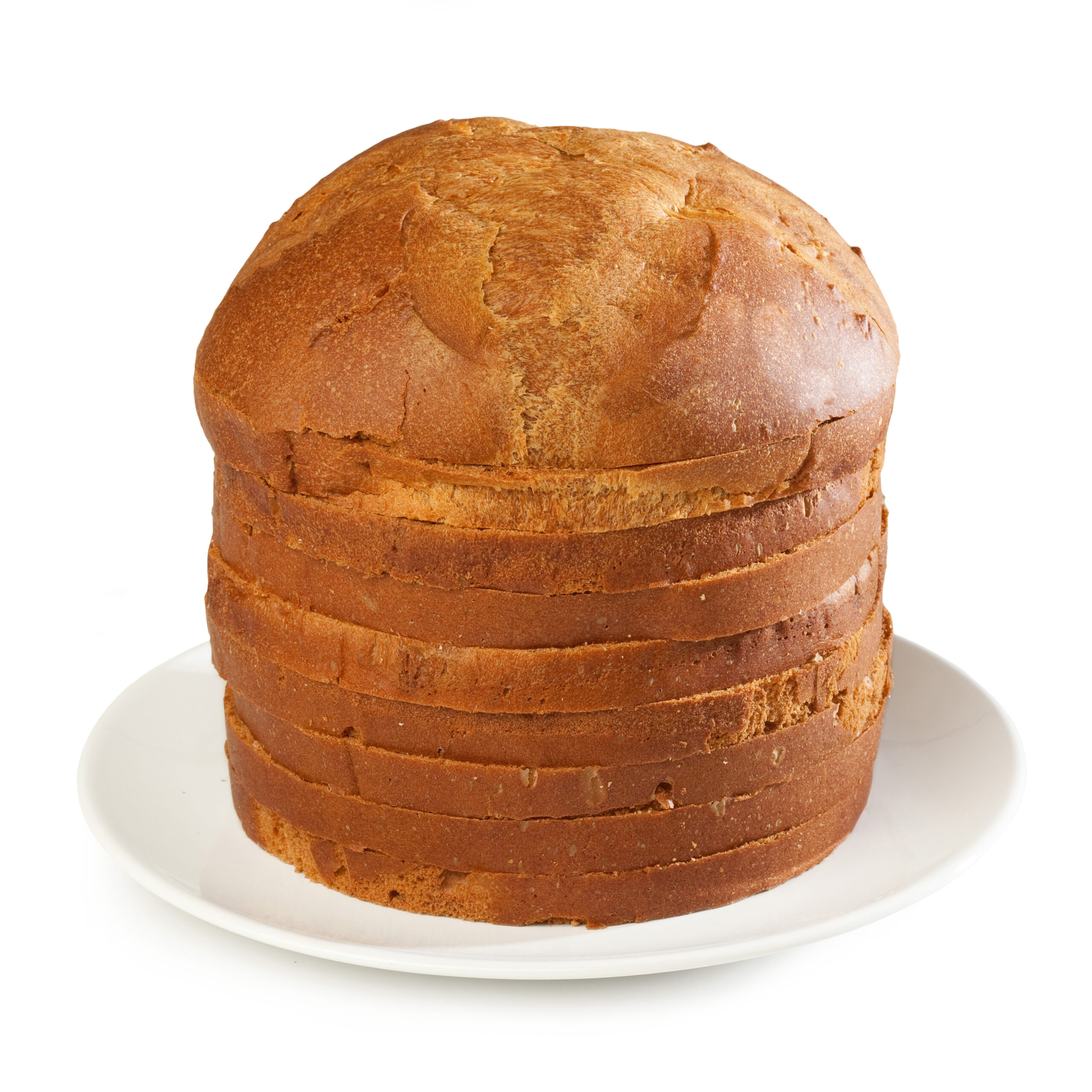
Savory Panettone is a soft, delicate enriched savory bread, ideal for buffets, aperitifs, and special occasions. The dough is rich yet well balanced and develops a fine, even crumb—perfect for slicing into layers and holding both classic and gourmet fillings.Potato in the dough helps keep the crumb moist and tender over time, while the milk poolish adds aroma and encourages a lighter, more uniform structure.An elegant, versatile base designed to showcase high-quality savory fillings.If possible, it is recommended to prepare the panettone one day in advance.
1 kg panettone
Equipment
- Stand Mixer
- 2 Disposable Panettone Molds 1 kg
- Panettone Skewers
Ingredients
For the Poolish
- 250 gr Panettone flour (00 flour) (W320-350)
- 250 gr Whole milk
- 8 gr Fresh baker's yeast
For the Dough
- 750 gr Panettone flour (00 flour) (W320-350)
- 300 gr Boiled potatoes (well chilled)
- 105 gr Whole eggs
- 100 gr Egg yolks
- 110 gr Extra virgin olive oil
- 60 gr Soft butter
- 40 gr Granulated sugar
- 15 gr Salt
- 22 gr Fresh baker's yeast
- 2 gr Diastatic malt ((optional))
For the Pre-Bake Glaze
- 40 gr Whole egg ((1 egg))
- 40 gr Heavy cream
Instructions
For the Poolish
- Make the poolish by mixing the flour, room-temperature milk, and baker’s yeast until you get a smooth batter.
- Cover and ferment at about 68°F (20°C) for 3 hours. The poolish is ready when it is well risen and full of bubbles, with the surface just starting to sink slightly—do not wait for it to fully collapse.
For the Dough
- Place the poolish in the stand mixer fitted with the dough hook. Start mixing, adding the flour, diastatic malt (if using), and sugar until the dough becomes elastic and gluten develops.
- Add the whole eggs little by little, waiting each time for them to be fully absorbed. Do the same with the room-temperature yolks.
- When the dough starts to look elastic and glossy, add the well-chilled mashed potato and give it time to incorporate. Only then add the salt and continue mixing until the dough regains strength and looks smooth.
- Add the soft butter in small pieces, little by little, waiting for each addition to be absorbed. Finally, drizzle in the olive oil slowly, letting the dough absorb it gradually. Stop when the dough is smooth, elastic, and well developed.A good reference is the final dough temperature, which should be around 77–79°F (25–26°C).
- Transfer the dough to a lightly greased container, cover, and rest at room temperature for 45 minutes.
- Turn the dough out onto the work surface, divide it into two pieces of about 950 g each, and do a quick pre-shape. Let rest for a few minutes, covered, to relax the gluten.
- Round the loaves tightly and place them into 1 kg tall panettone molds.
- Cover the molds and proof in a warm environment (about 79–82°F / 26–28°C) until the dough reaches the rim of the paper mold.
- When the panettoni are ready, brush the surface with the pre-bake glaze and bake in a preheated conventional (no fan) oven at 338°F (170°C) for about 45 minutes.
- As soon as they come out of the oven, immediately invert the panettoni and let them cool completely upside down.Even though these are unfilled and the dough is less rich than a sweet panettone, this step helps prevent collapse and keeps the crumb very soft and stable for filling.
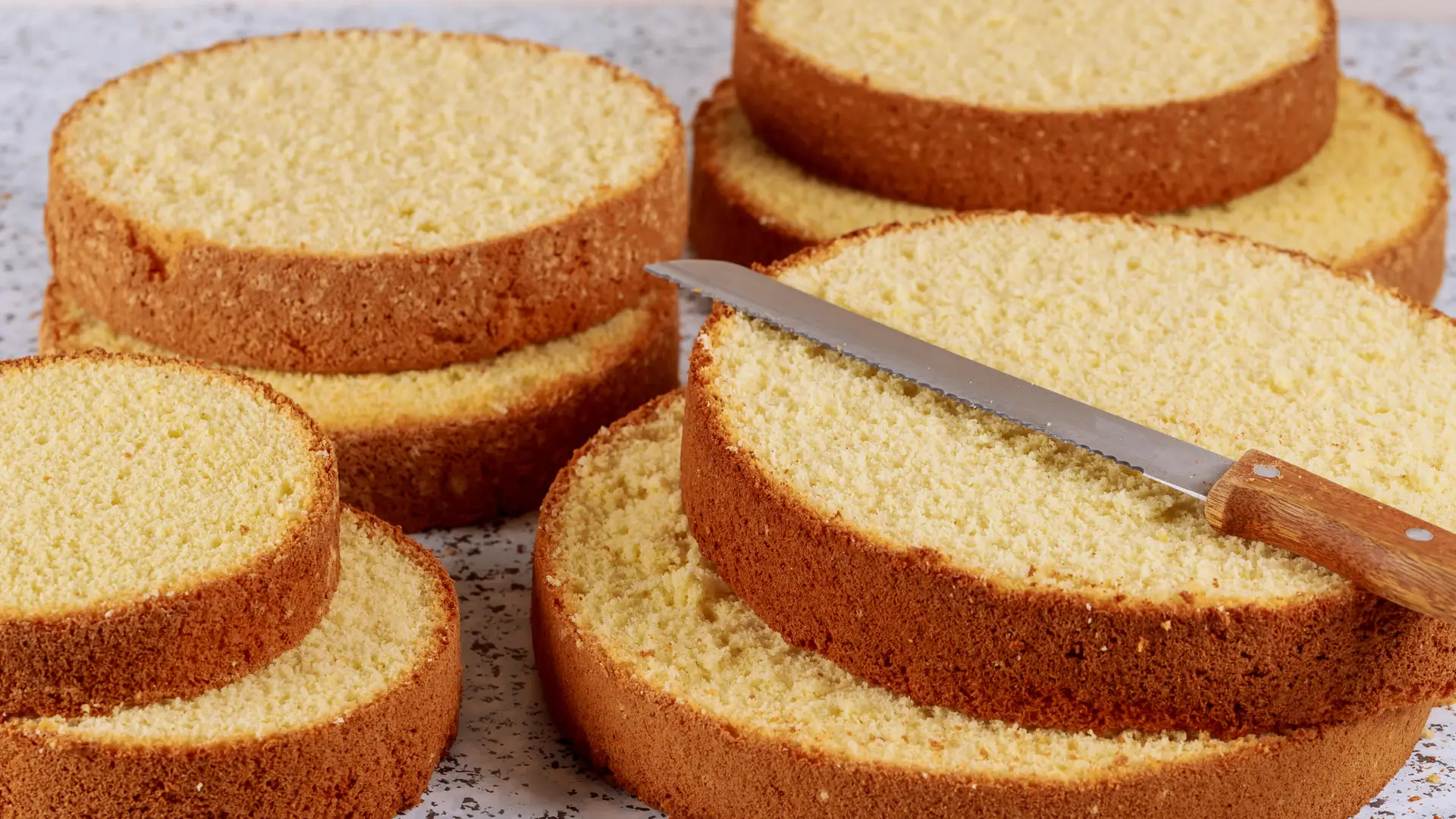
- Once fully cooled, slice into layers about 3/4 inch (2 cm) thick (a slicer works best) and fill as desired.
Nutrition
Serving: 100g | Calories: 302kcal | Carbohydrates: 41,3g | Protein: 7,5g | Fat: 11,6g | Fiber: 1,5g | Sugar: 2,8g | Net Carbohydrates: 39,8g